Ban Baat
House of Alms Bowls · Bangkok · Winter Immersion 2026
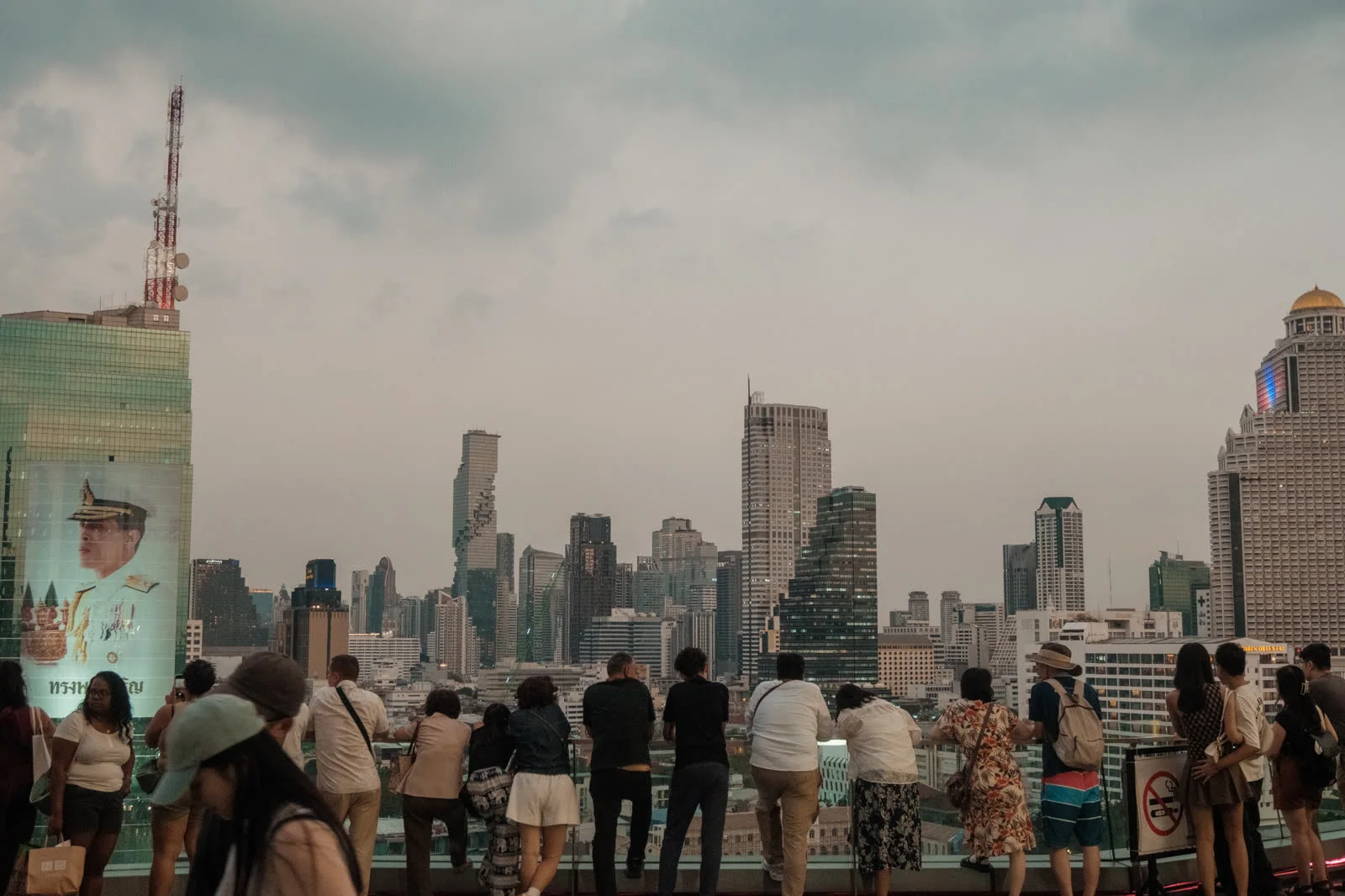
Modern Bangkok is designed to be frictionless. I was looking for something more grounded.
Modern Bangkok is designed to be frictionless, full of smooth surfaces, automatic doors, and fast travel. Its ultra urban setting was a spectacle, but I was looking for something more grounded.
Every morning, monks descend from Wat Saket, the golden hill, into the city. They carry the black bowls made by the artisans I had come to meet.

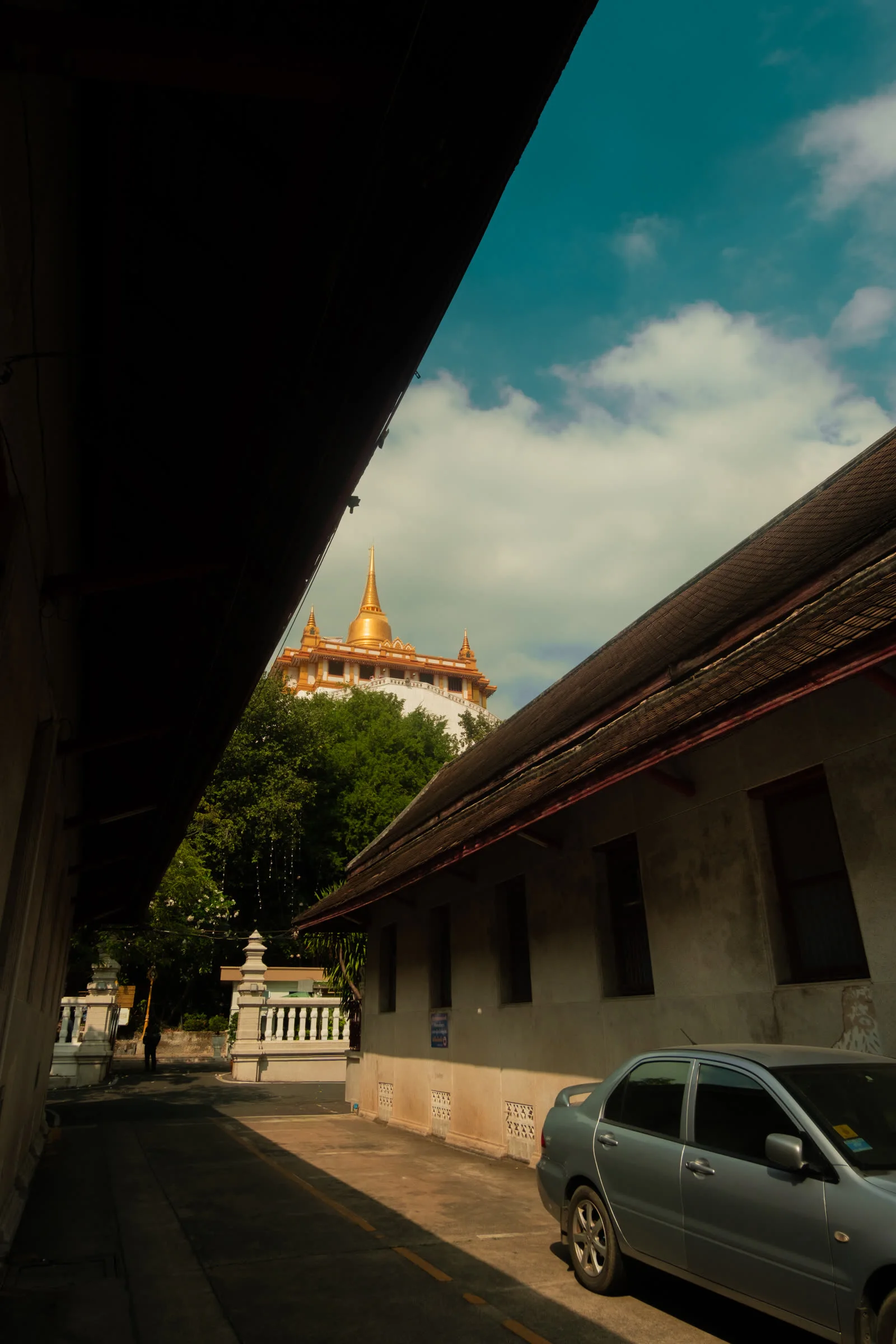
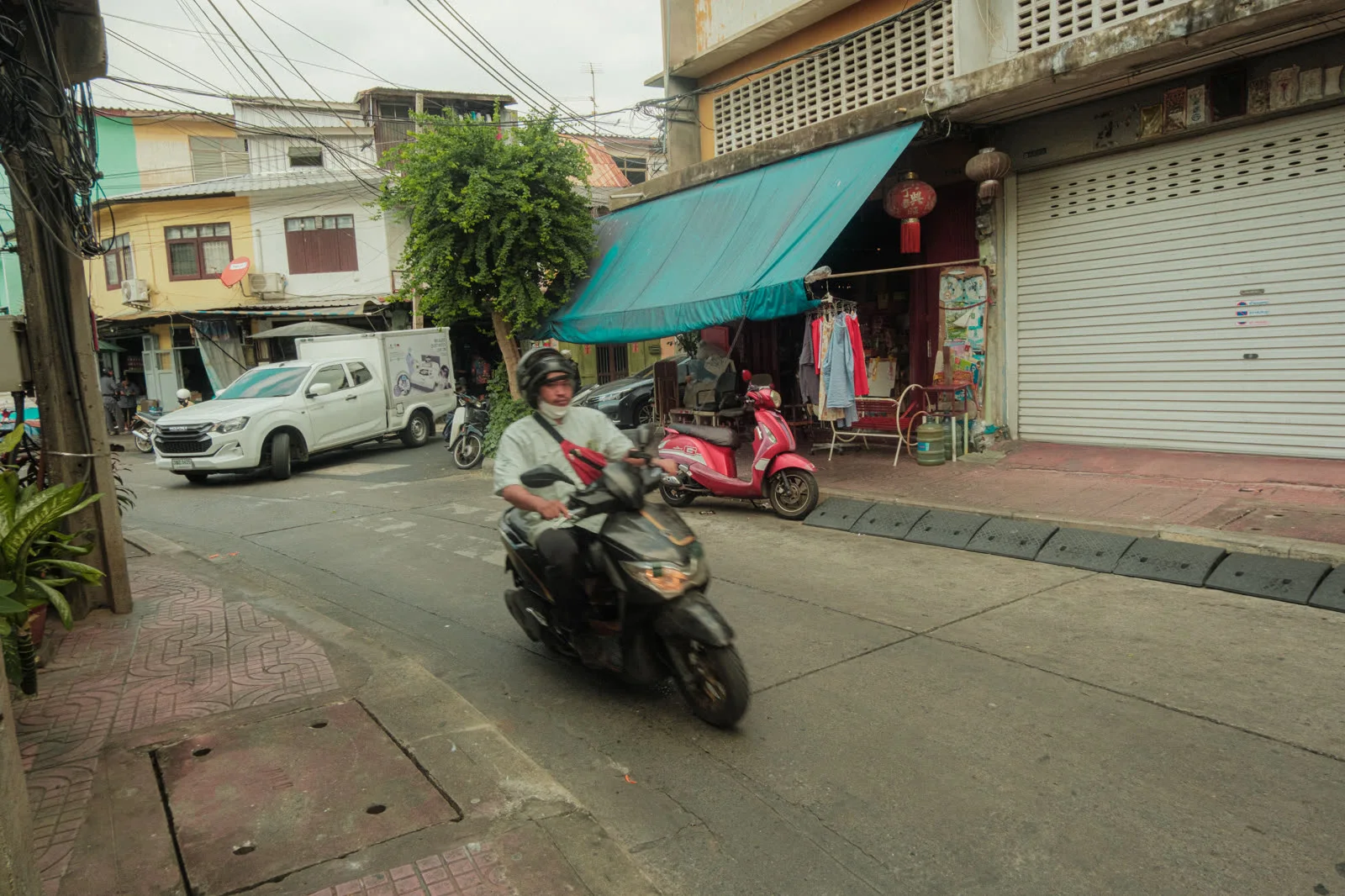
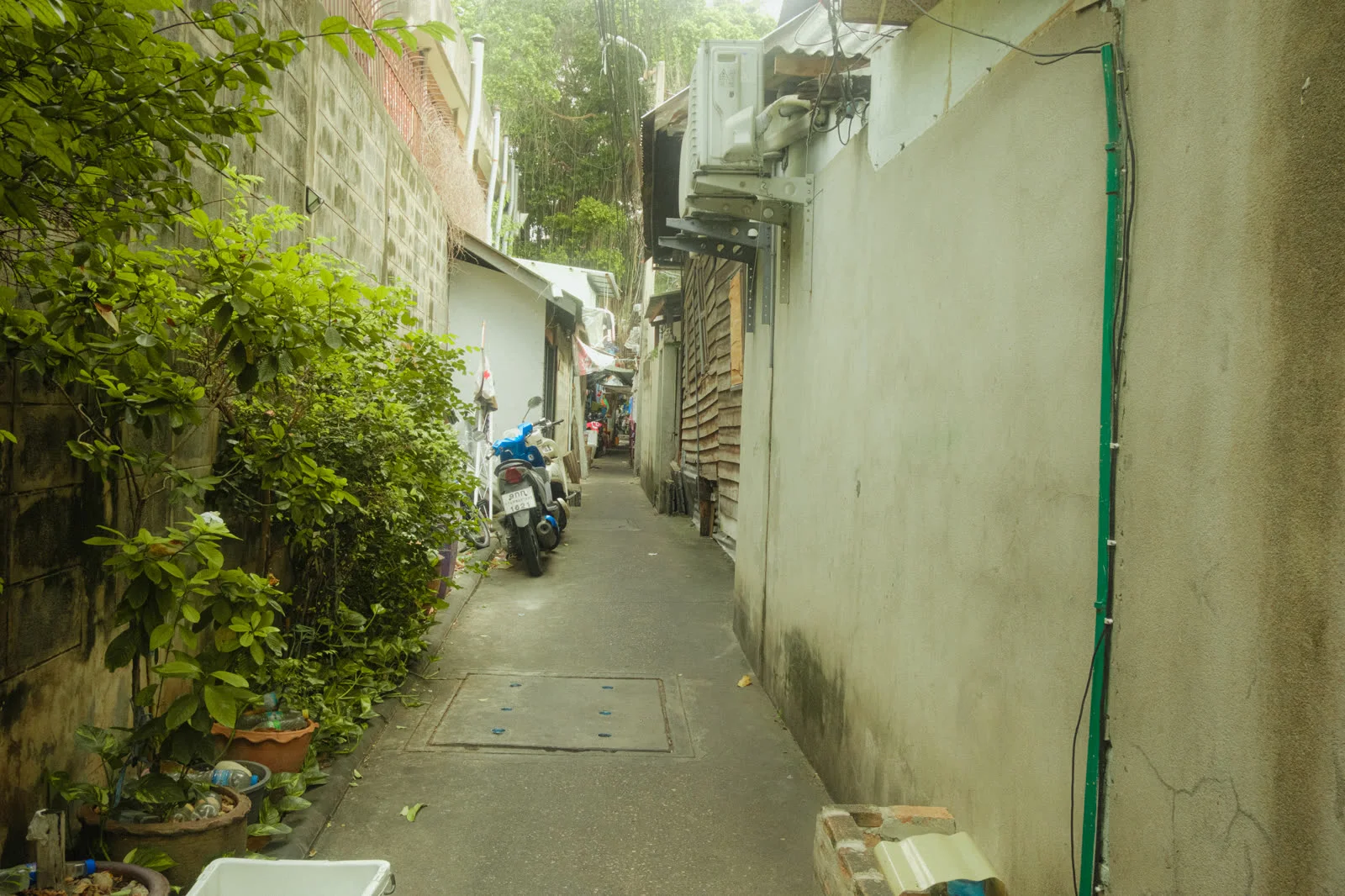
Following them led me off the tourist map entirely, into the alleys of Ban Baat.
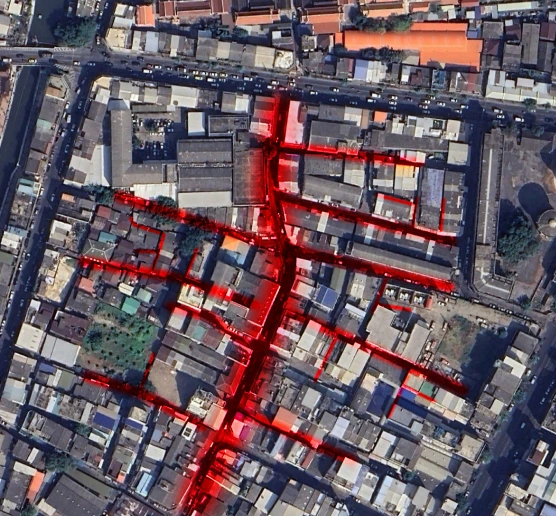
Locating the community
The only one remaining
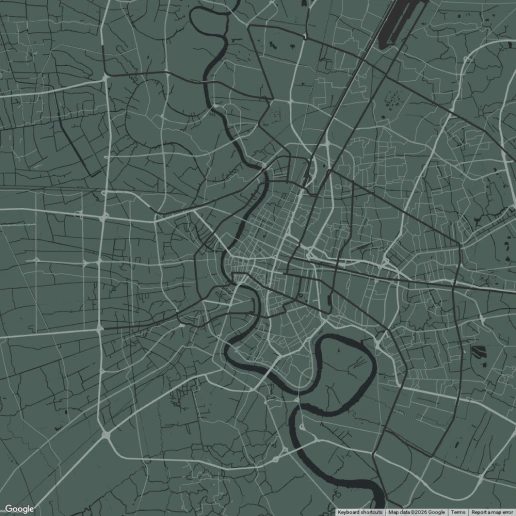
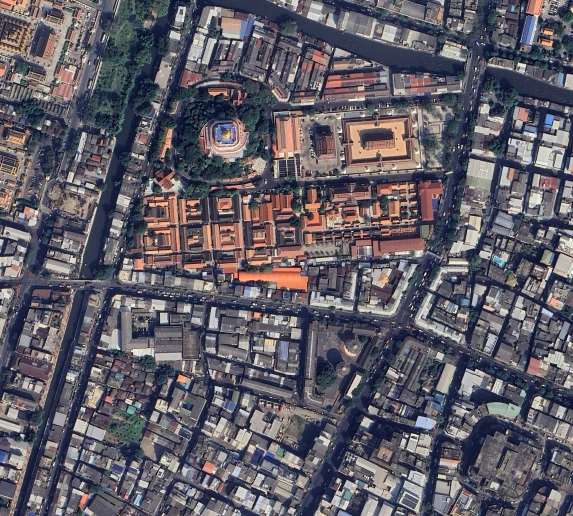
In the heart of modern Bangkok, hidden behind the tourist facades, lies the community of Ban Baat. It was established by King Rama I. Historically there were three such villages. Today, Ban Baat is the only one remaining.
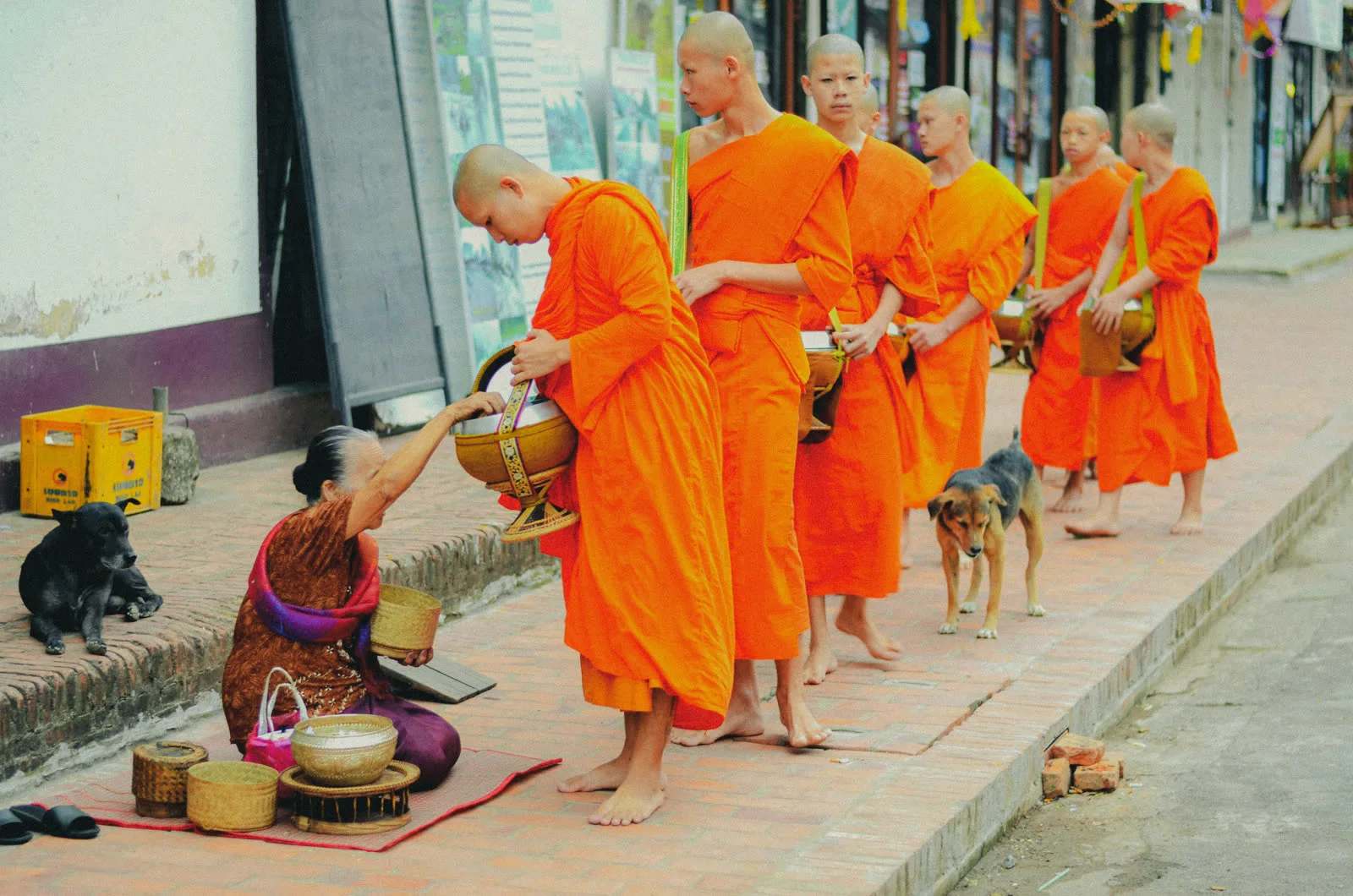
Every morning at dawn, Theravada Buddhist monks walk barefoot through the streets. They do not beg. They offer laypeople the opportunity to make merit by giving food.
The camera as a passport
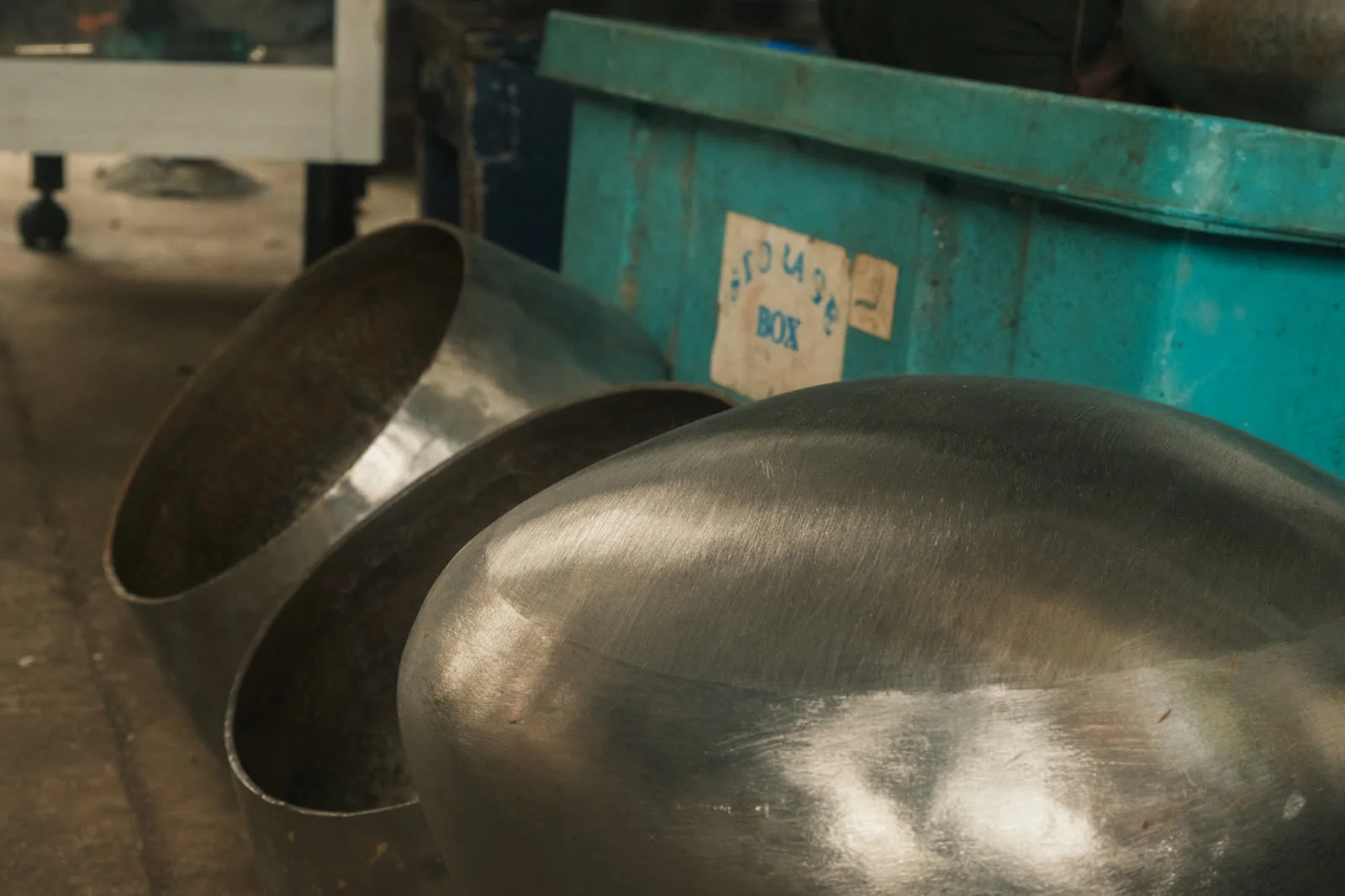
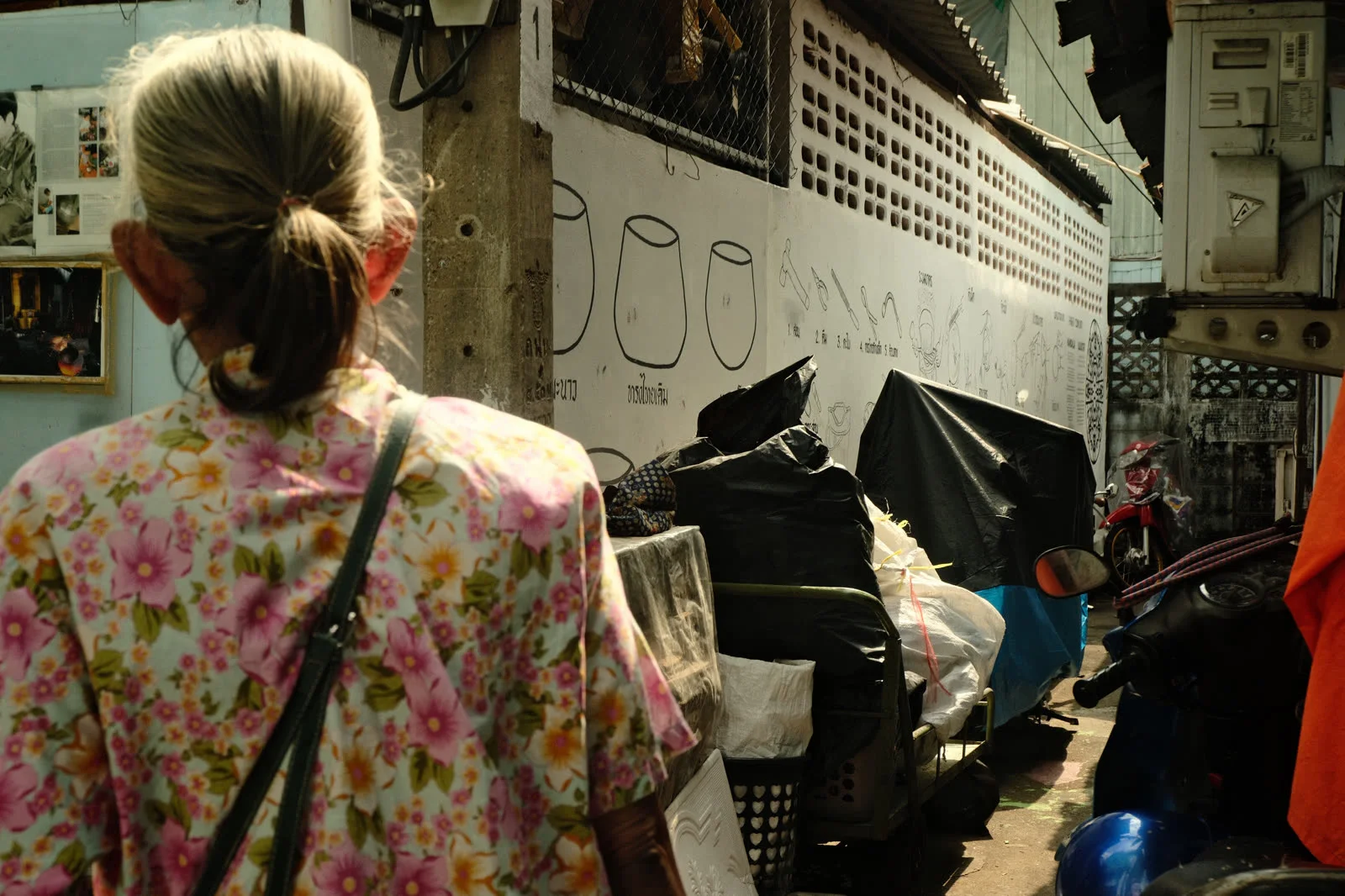
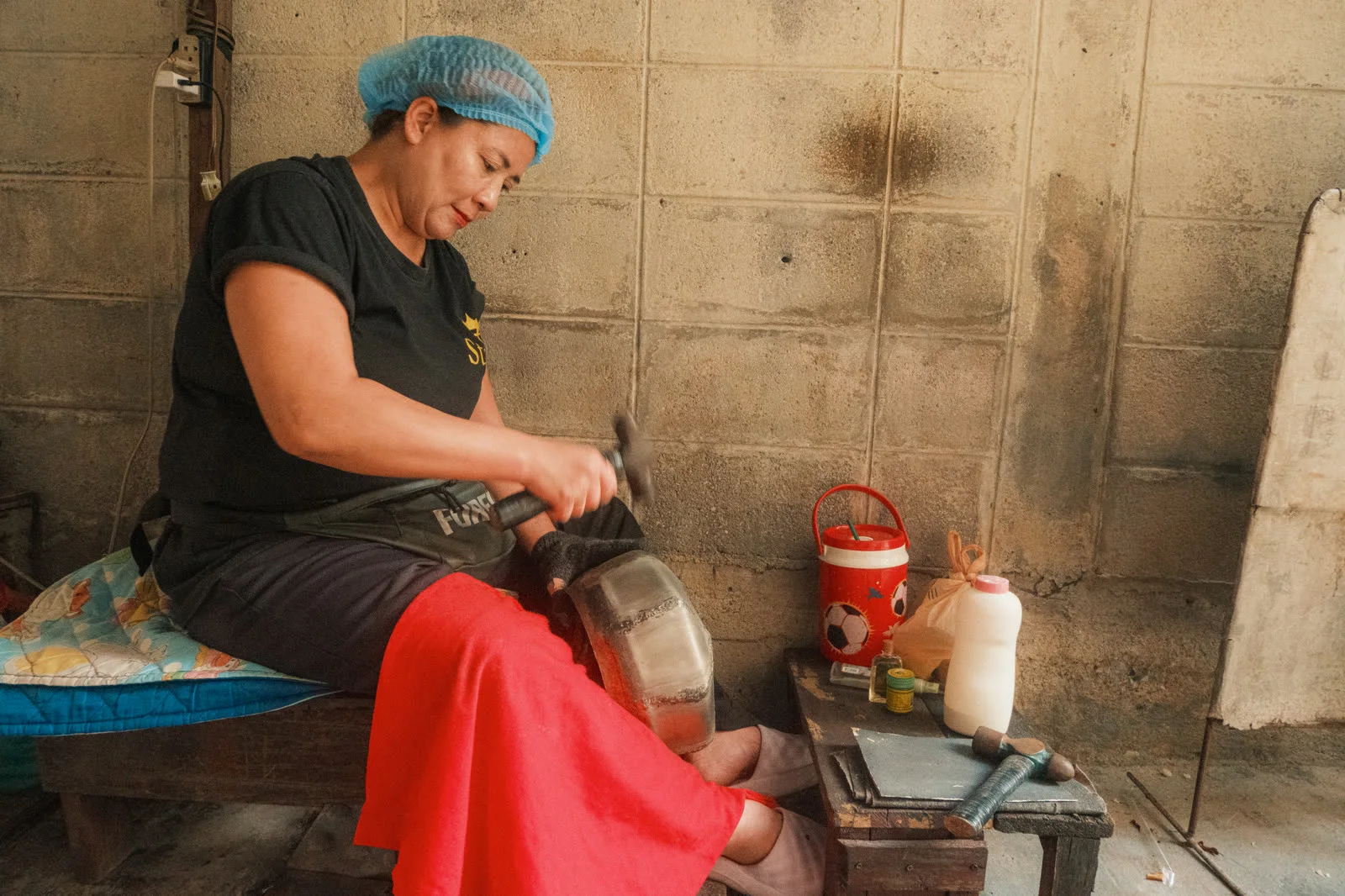
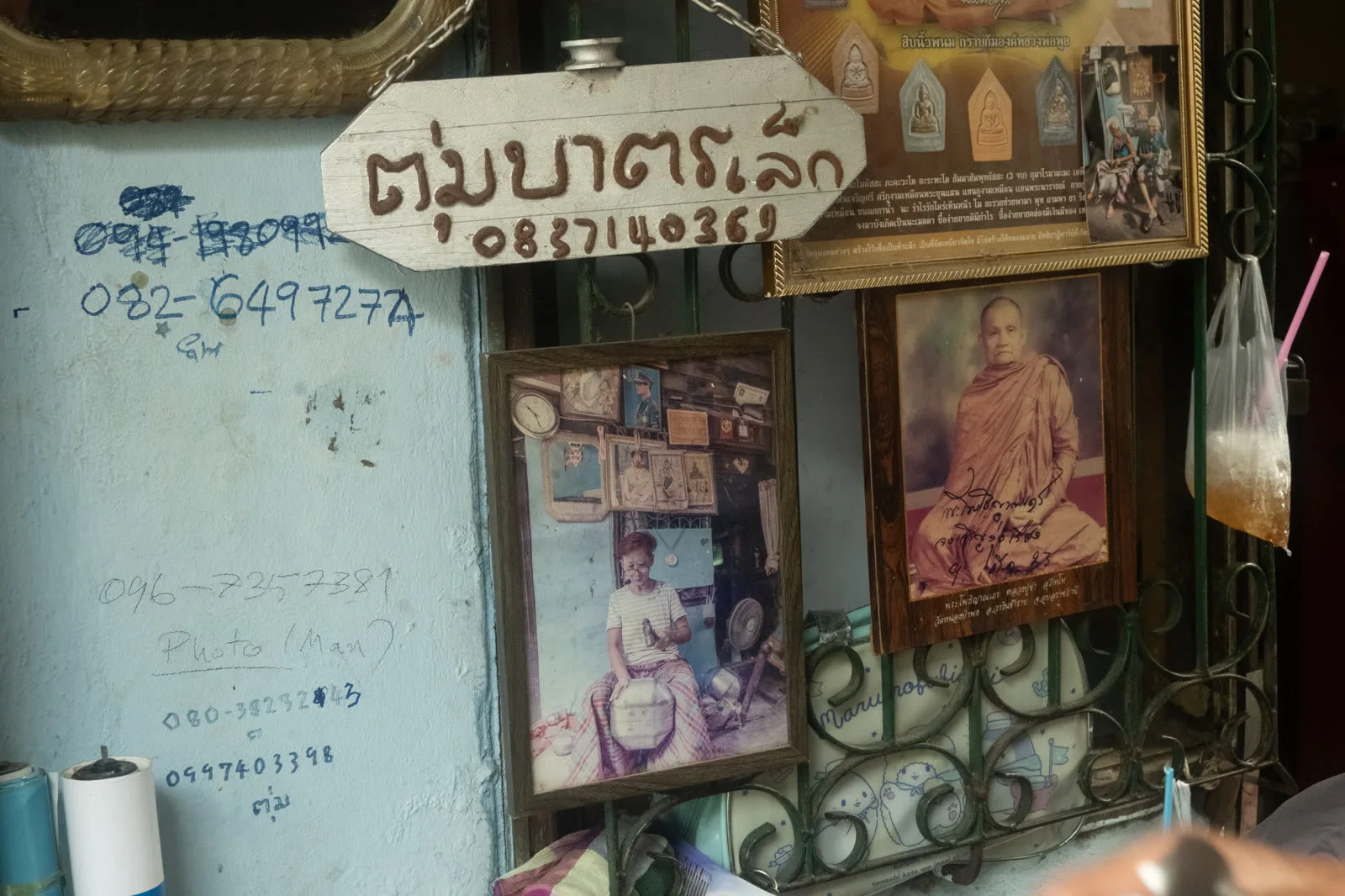
The streets were lined with unfinished steel bowls. I approached a lady who was working with them, and without a shared language she showed me around.
The name itself, Ban Baat, translates literally to House of Alms Bowls. For over two hundred years the rhythm of this neighbourhood has been defined by the sound of hammers striking steel.
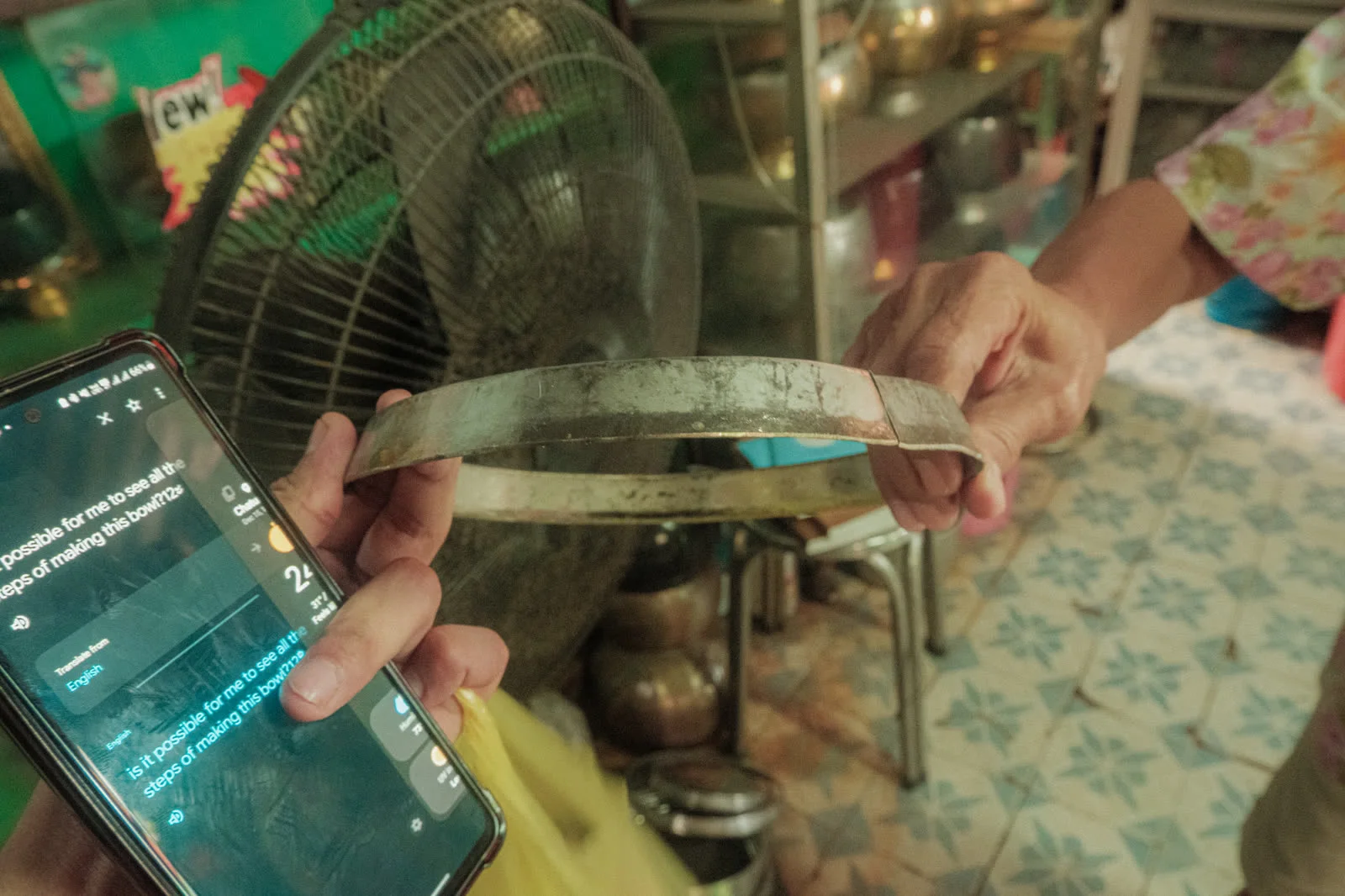
The process of making an alms bowl
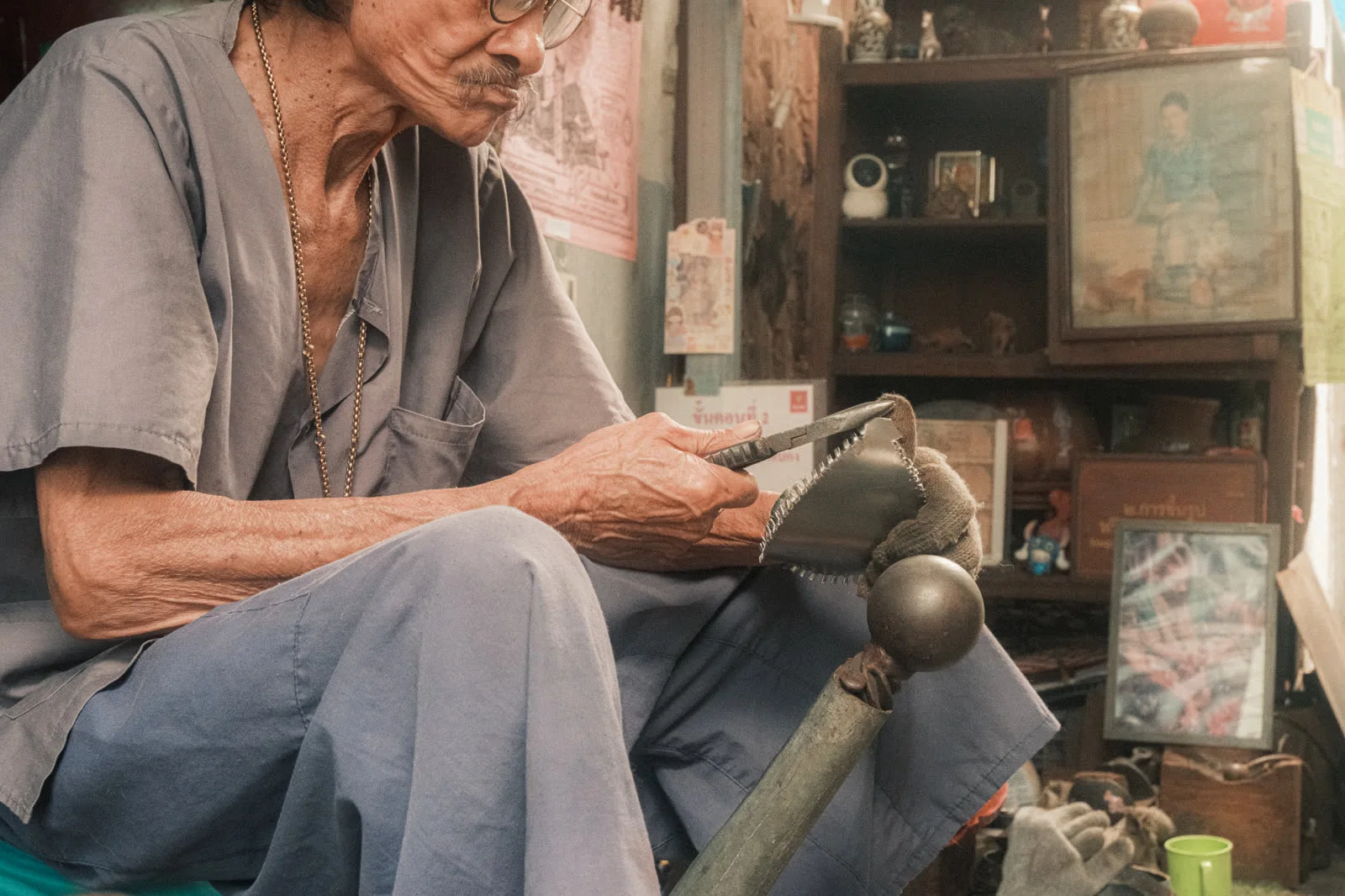
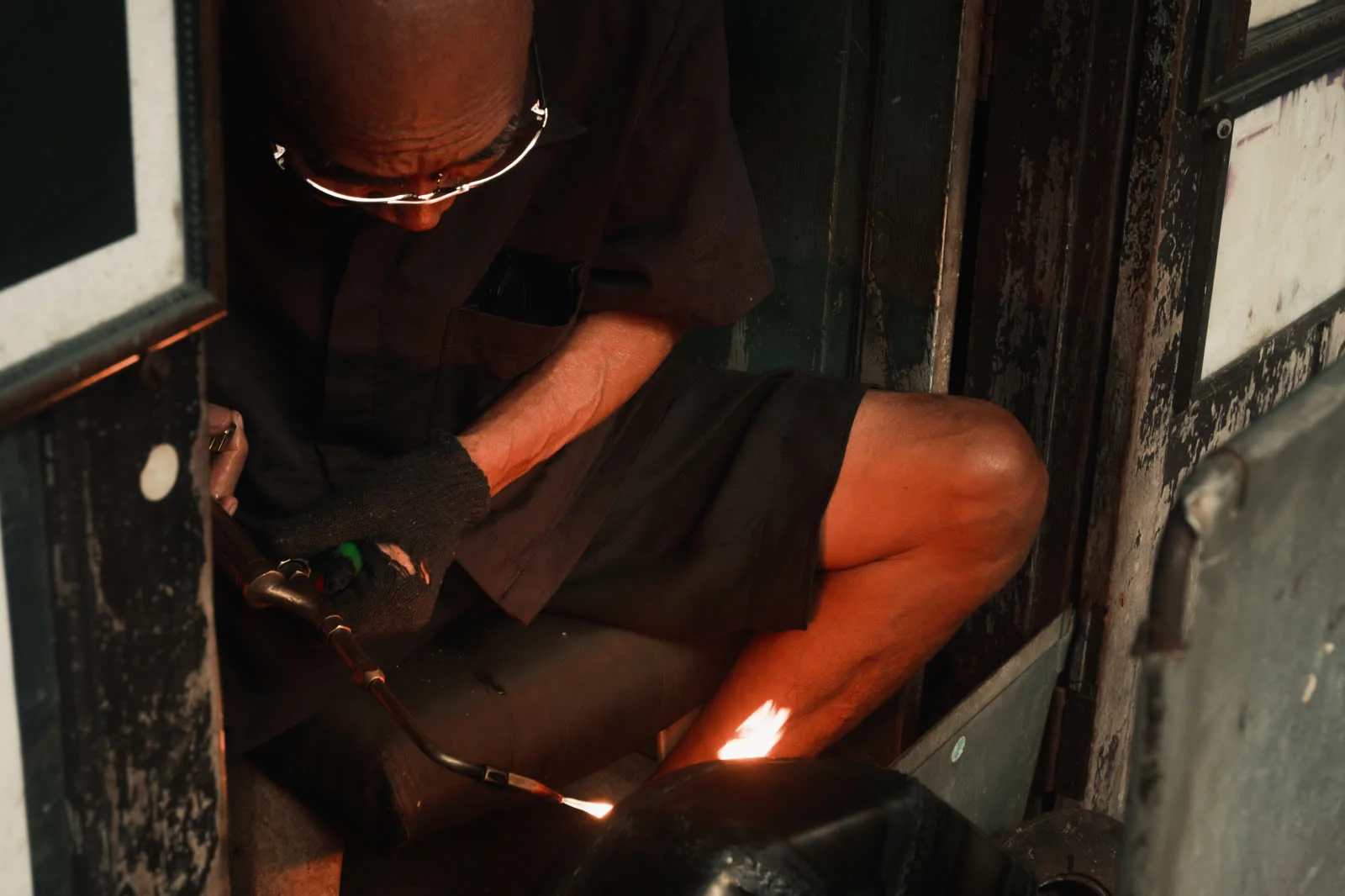
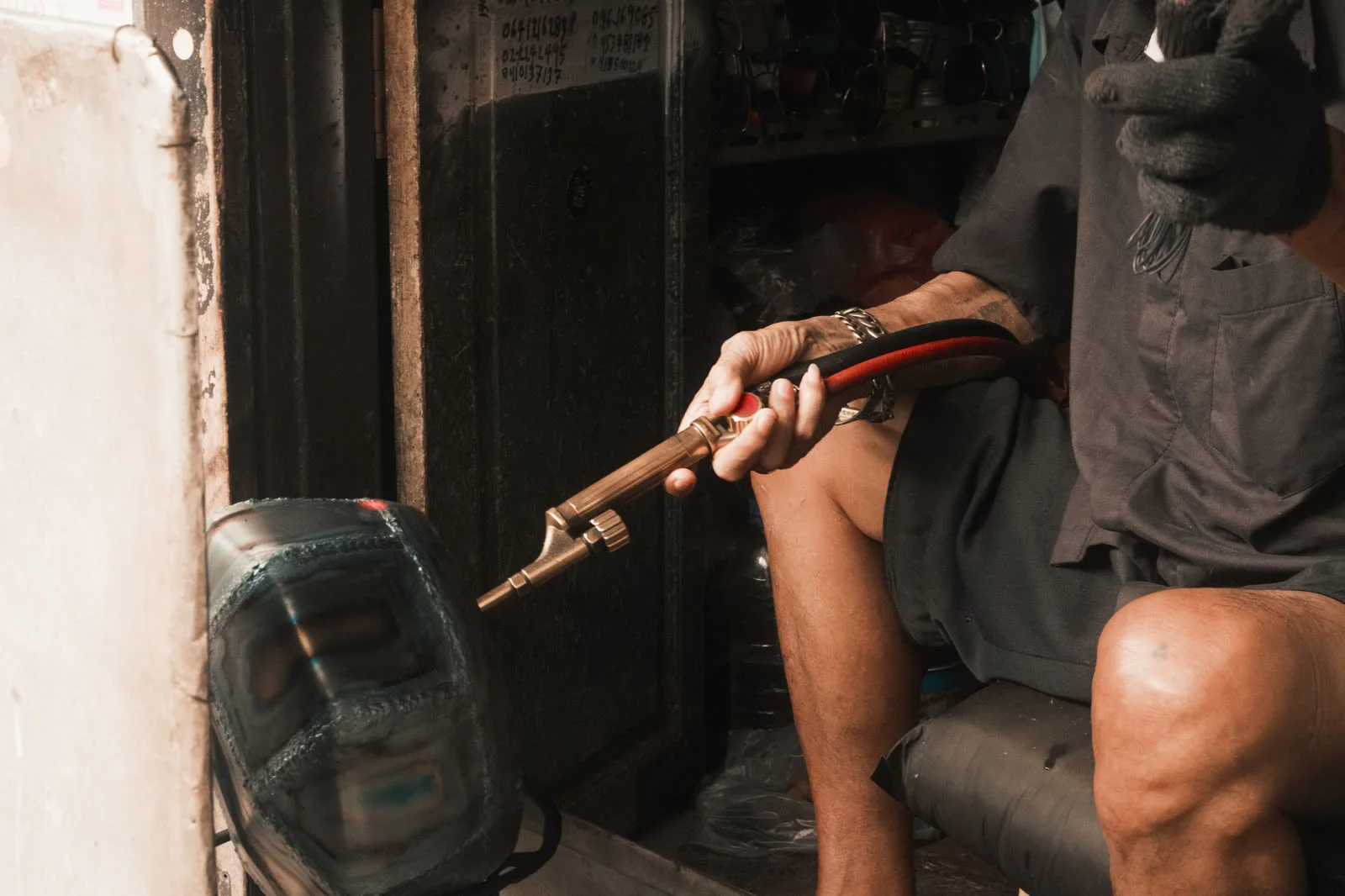
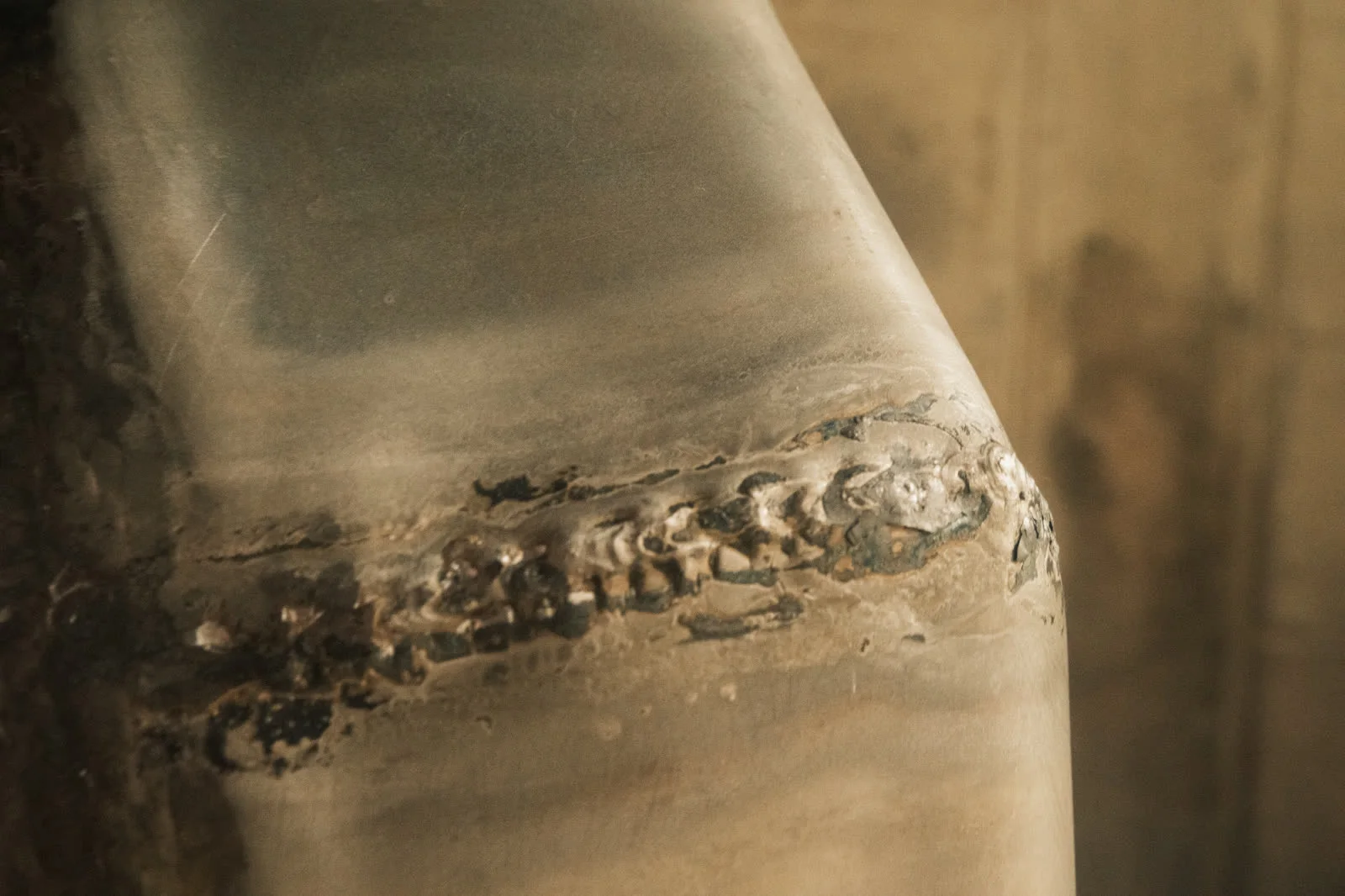
The process is grueling. It begins with flat strips of steel, which the artisans cut into the leaves that will form the sides. Unlike modern manufacturing, which uses pressing machines, here the curve is achieved entirely through heat and force.
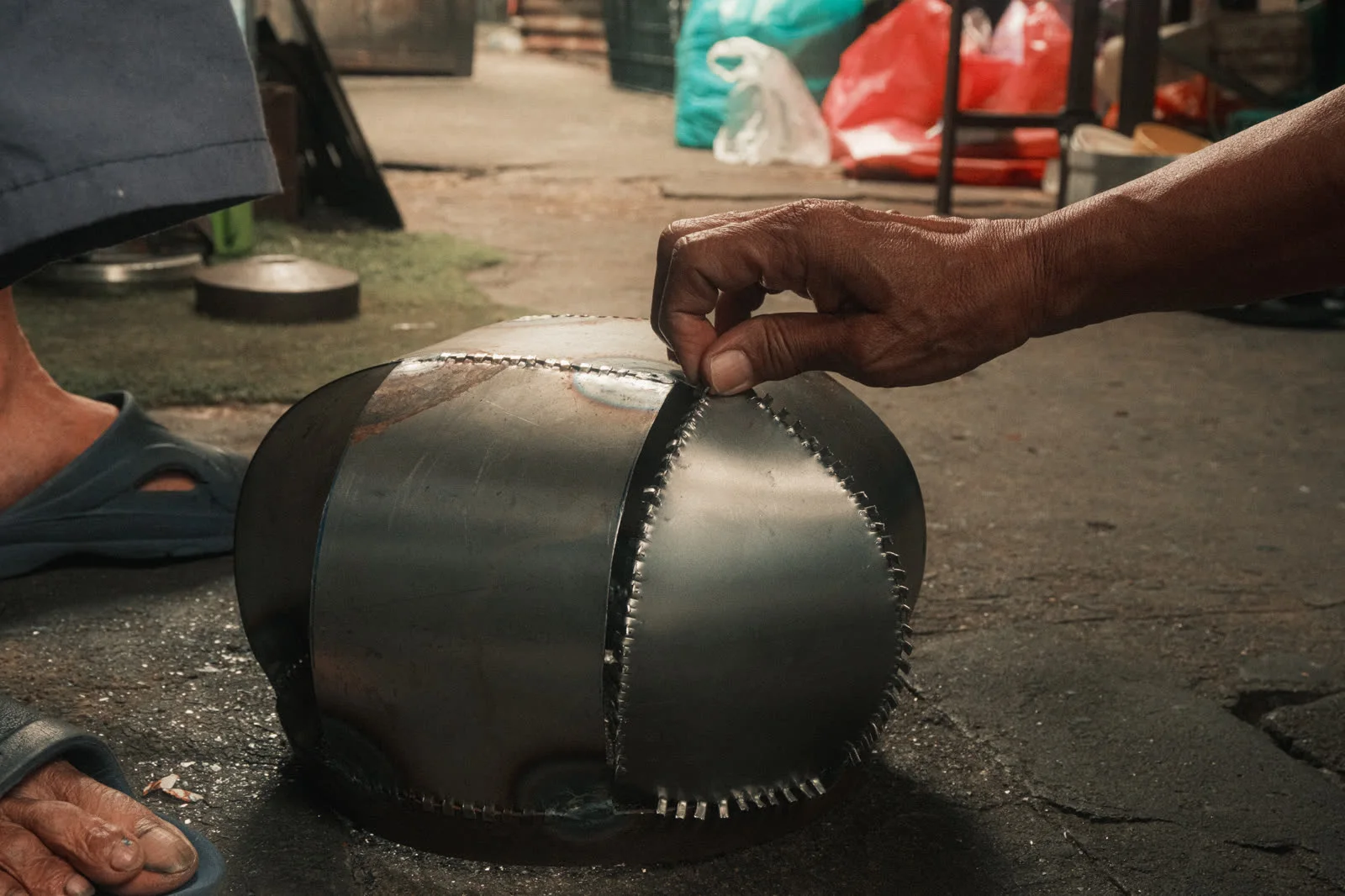
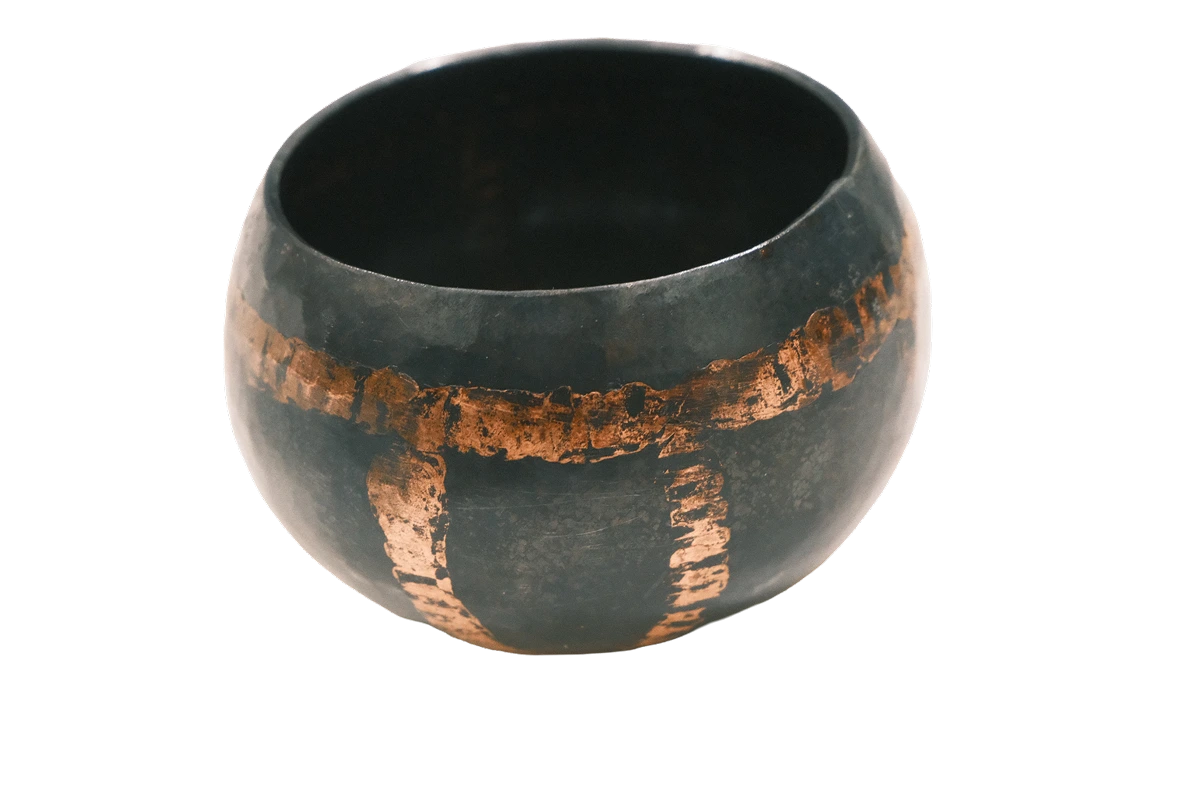
The design is intentional and deeply spiritual. The eight pieces represent the Noble Eightfold Path of Buddhism. For decades the artisans did not buy fresh sheets of metal. They used recycled oil drums and asphalt barrels.
It is a community effort. Often one house specializes in the rims, another in the welding. The bowl travels through the alleyway, gaining value with every stop.
The communal living room of the city
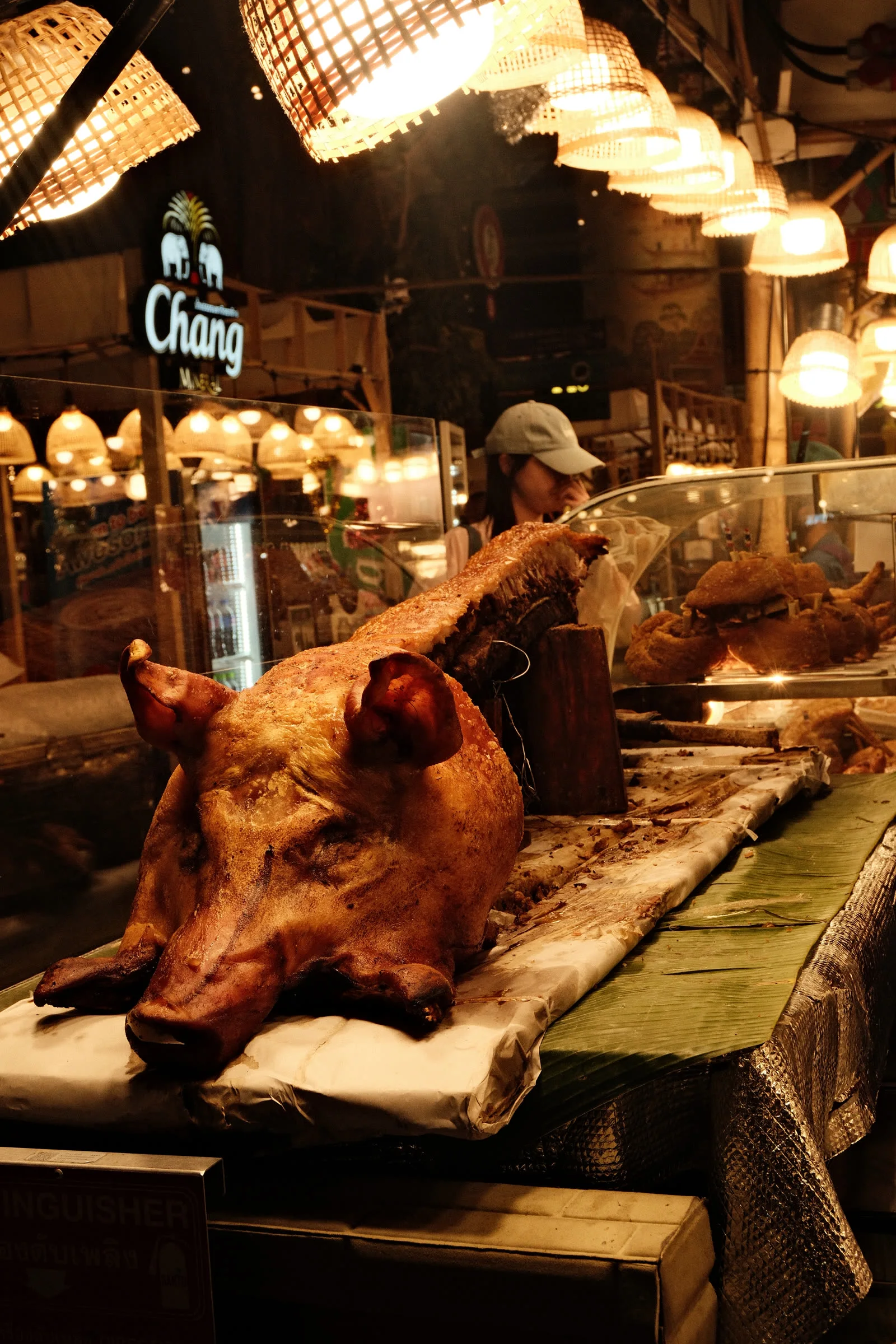
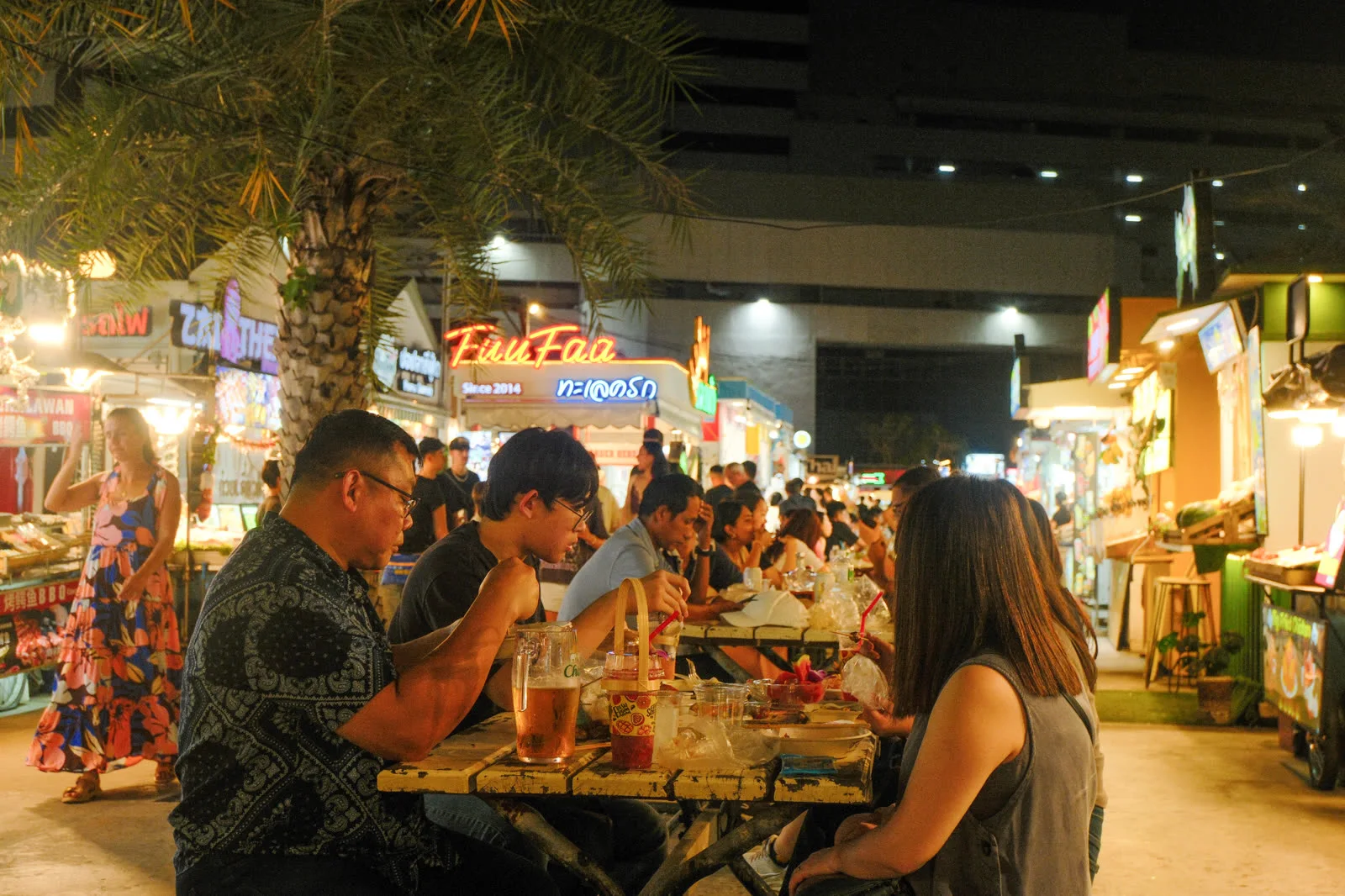
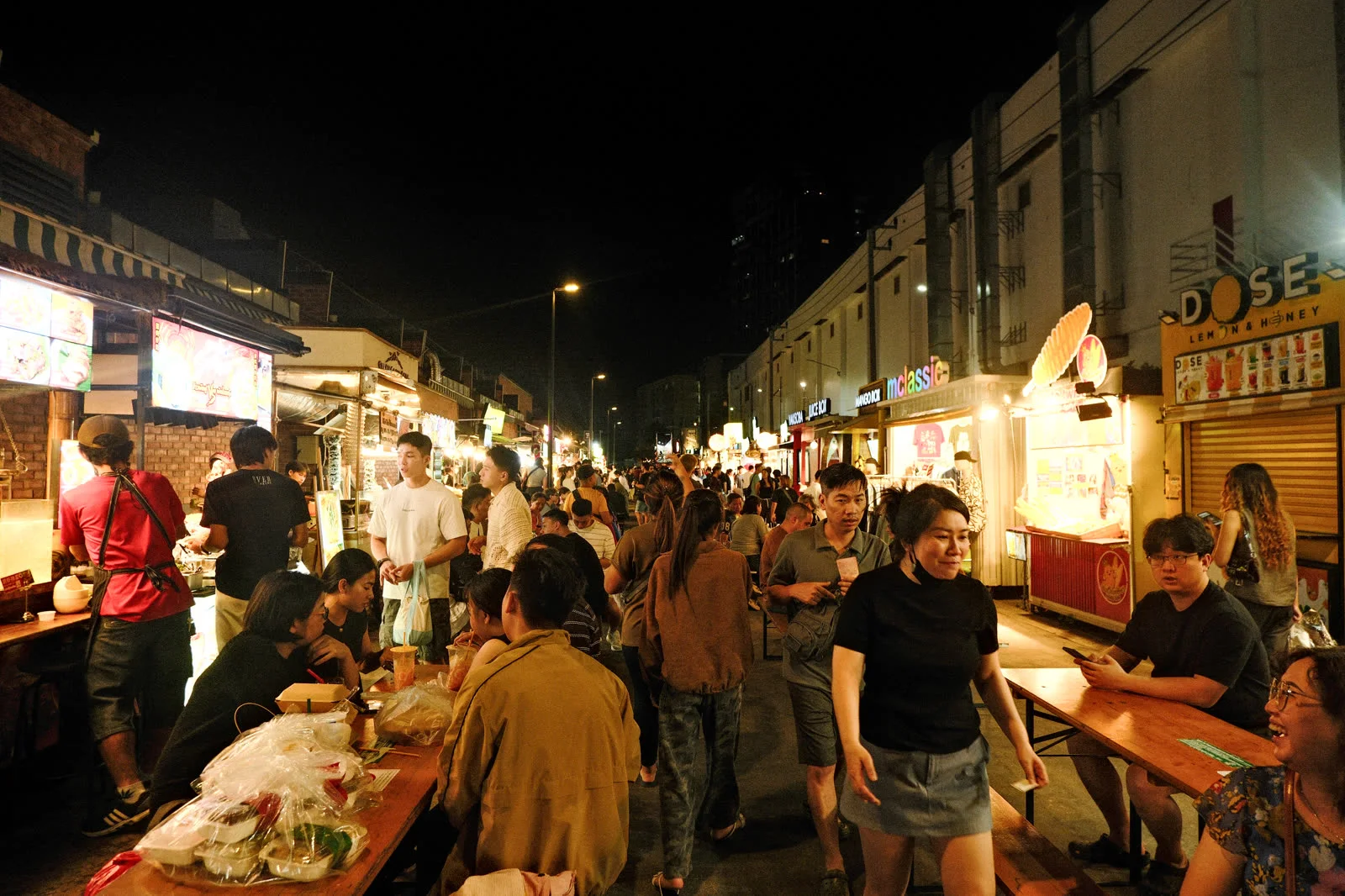
Locals recommended checking out the night markets. It was a great suggestion, because the markets felt like the communal living room of the city. You go from the solitude of the hammer work during the day to this massive, shared experience at night.
Duality
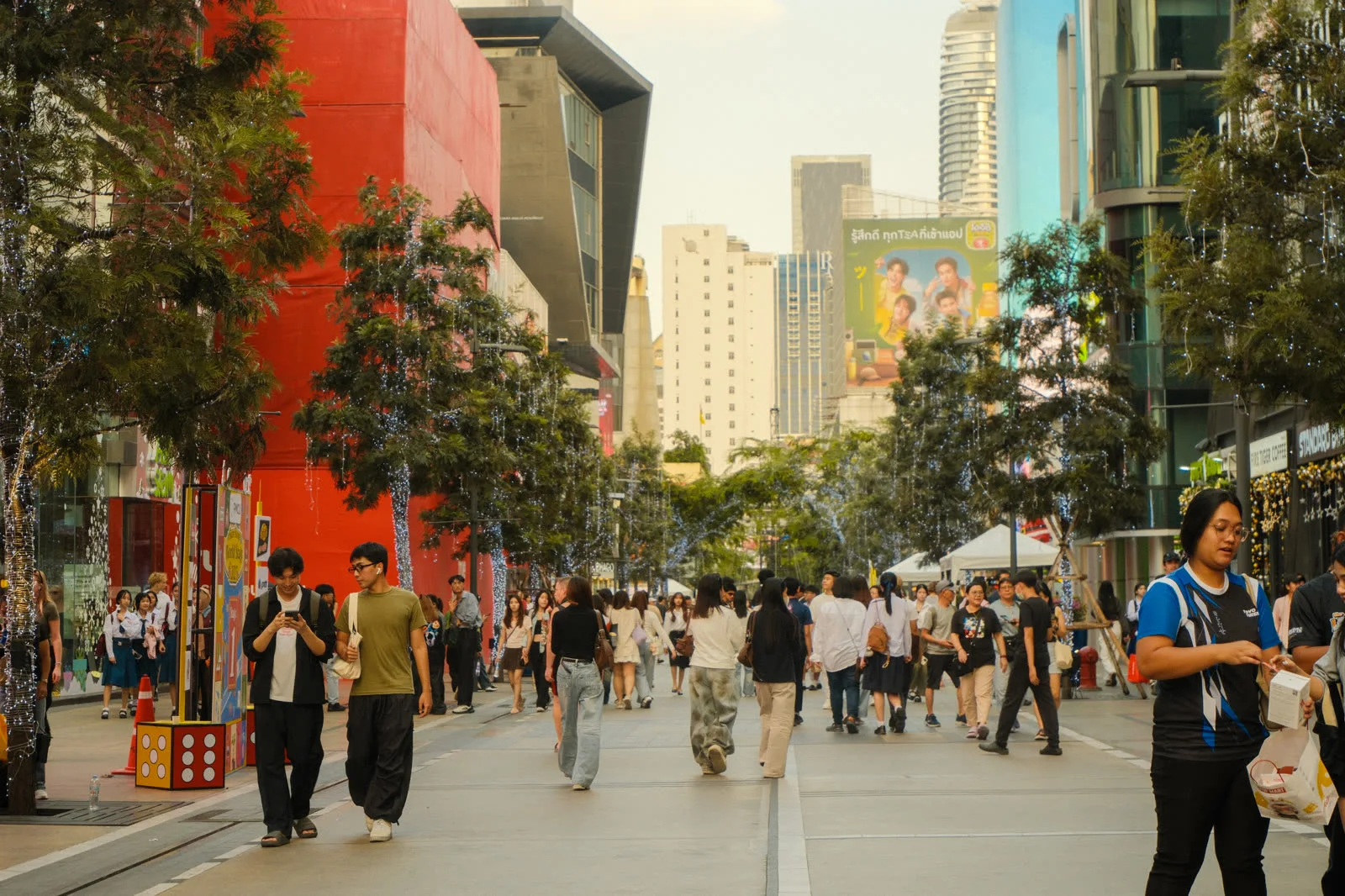
Bangkok is not a city stuck in the past. It is a hyper modern design capital. Places like ICONSIAM and the Siam District represent the cutting edge of retail experience and architecture. This is the global face of Thailand, vibrant, shiny, and forward looking.
What is fascinating is how these two worlds sit side by side. You can take a boat from the glittering facade of the mall and, twenty minutes later, be walking through the smoke of the alms bowl village. One is not better than the other. They are layers of the same story.
Into the daily stream of the city
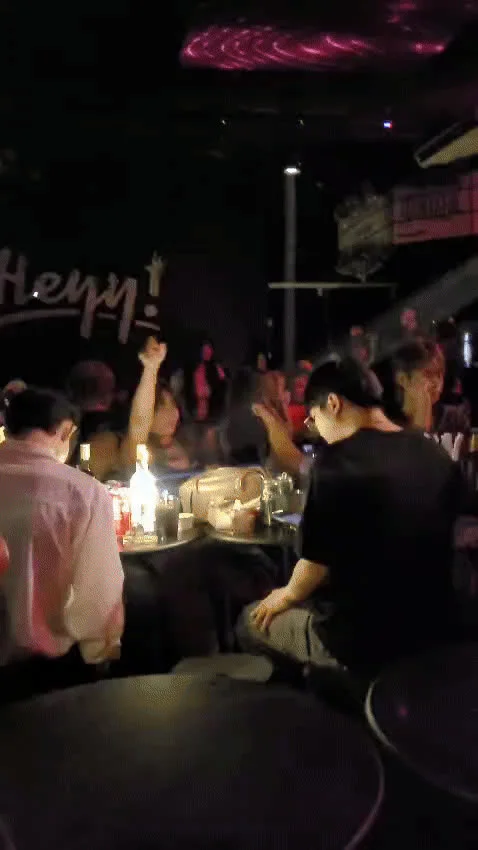
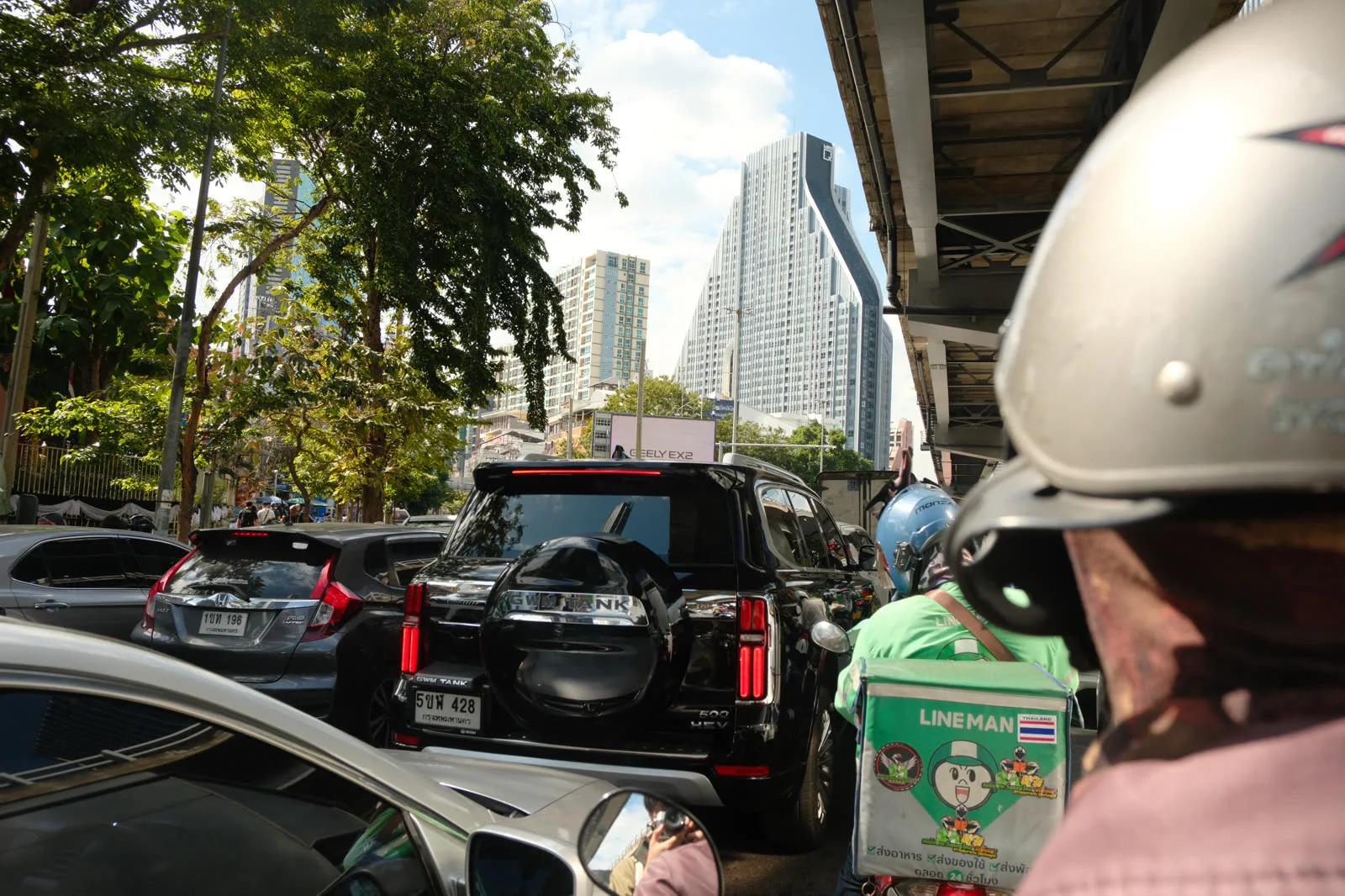
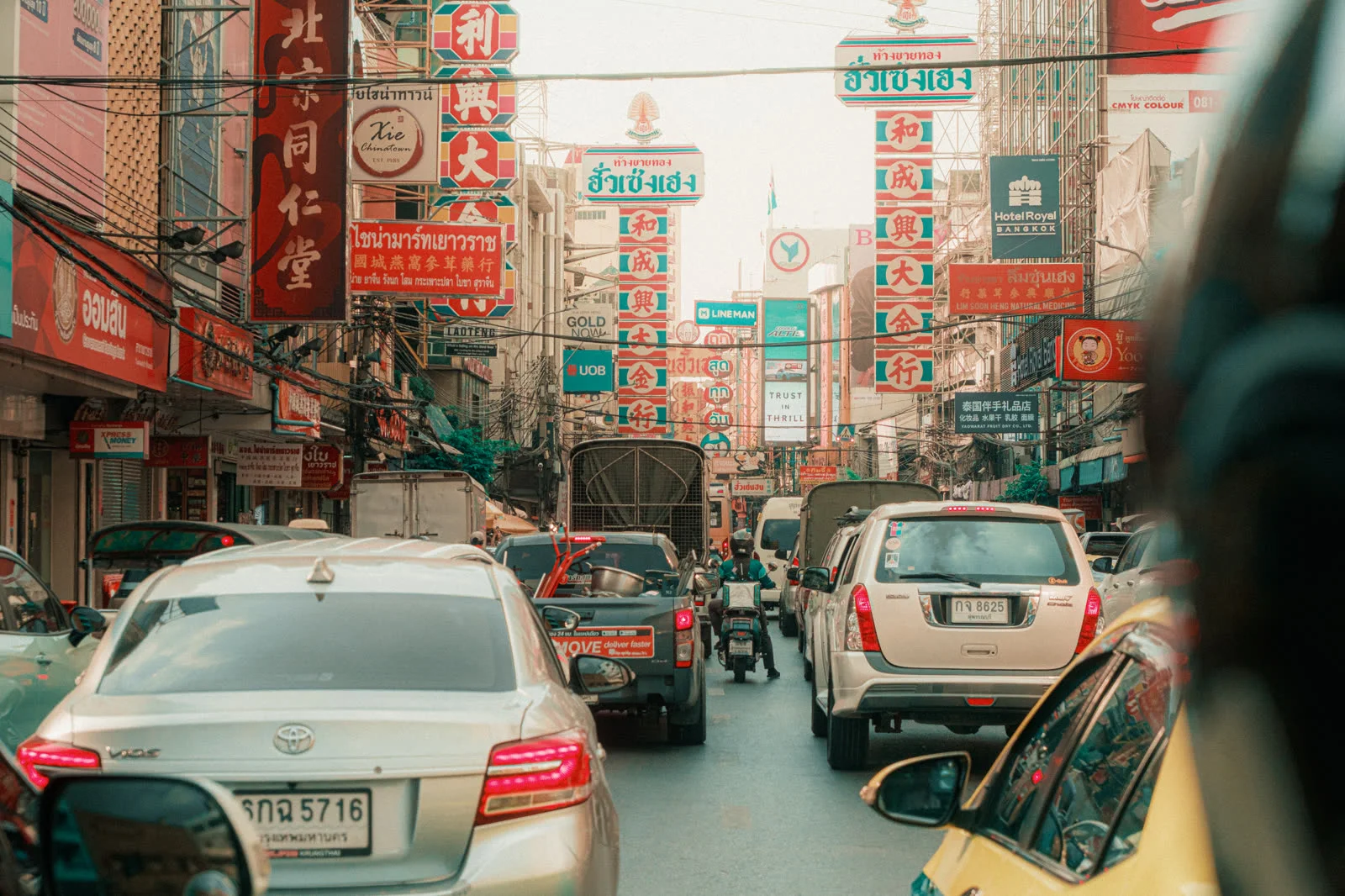
To understand the rhythm of Bangkok, I stepped out of the tourist bubble and into the daily stream of the city. I navigated the chaos on the back of Grab bikes and crowded Skytrains, experiencing the friction and flow of local life firsthand. My research continued into the night, where sharing music and energy in local clubs broke down language barriers that words could not.
The sound of the hammering
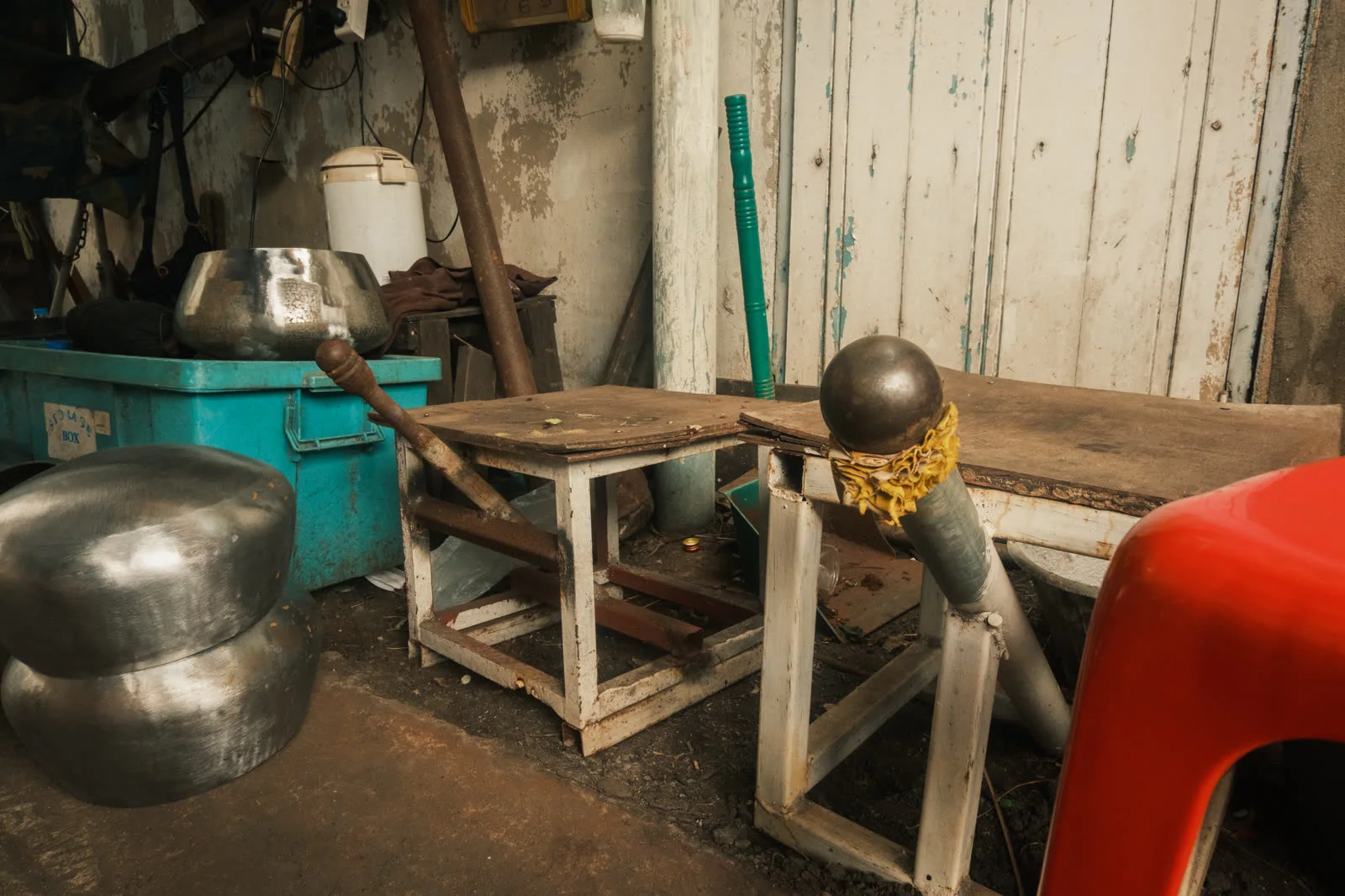
After welding, the bowl is rough and jagged. The artisans sit for hours, manually hammering the steel against a rounded anvil to smooth the surface. It creates a texture that machines cannot replicate, a dimpled surface that feels human. It takes roughly two days to finish a single bowl using this method.
This is the defining characteristic of Ban Baat. If you walk these alleys, you hear a constant clanging sound.
Then why is the craft on the verge of extinction?
In the 1970s, regulations changed, allowing monks from the Maha Nikaya sect to use factory produced stainless steel bowls. Factory bowls are pressed in seconds and cost a fraction of the price. A handmade Ban Baat bowl might cost 3,000 to 4,000 baht, whereas a factory bowl is cheap and readily available. This undercut the community's primary utility. They went from being the essential suppliers of the monkhood to creating artifacts and souvenirs.
Today the survival of Ban Baat relies on a pivot, from utility to cultural heritage. Most of their income now comes from tourists and collectors who appreciate the craft rather than the function. The bowls are bought as art pieces.
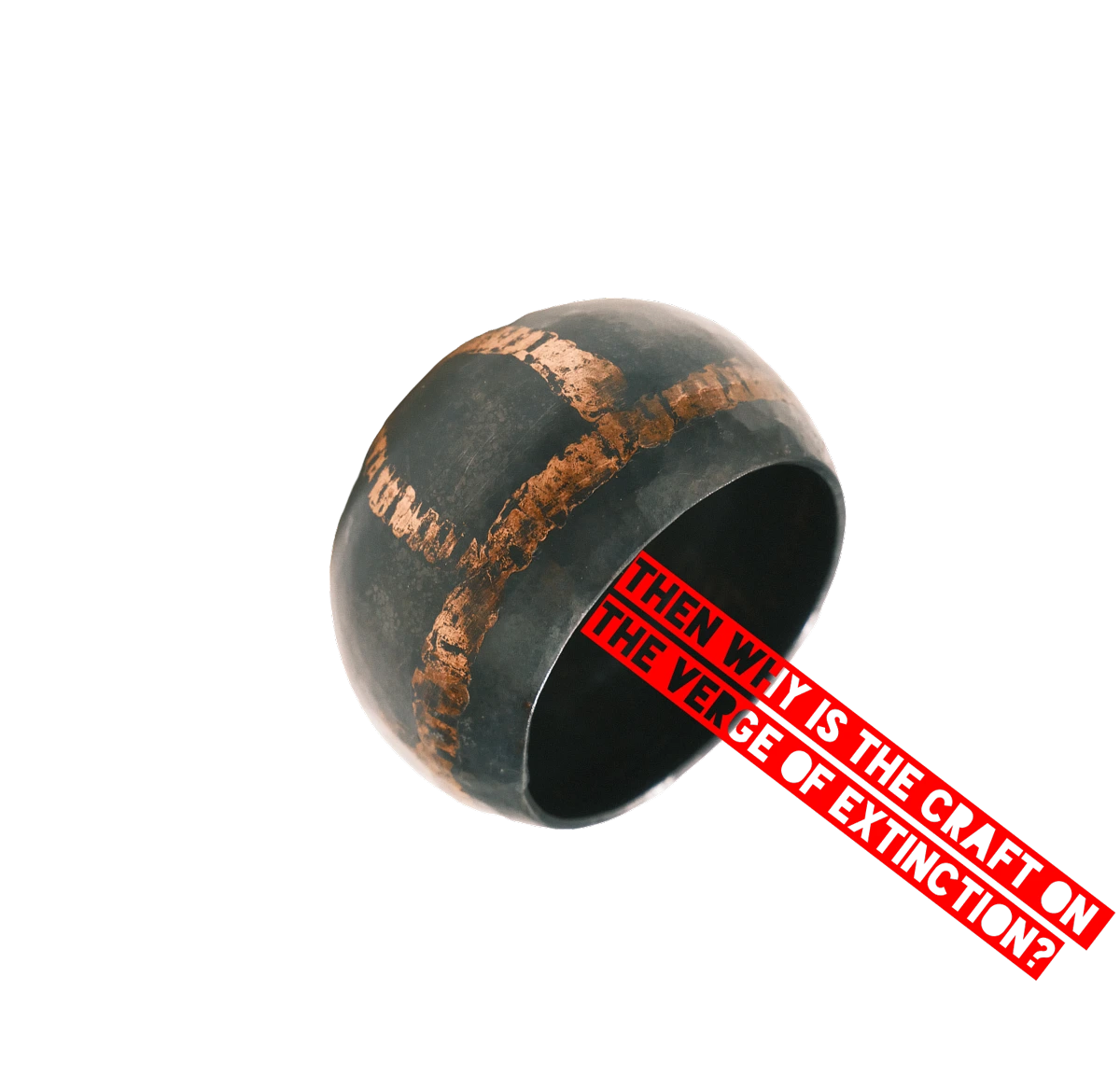

Does a change in user, from monk to tourist, change the object? The form remains the same, but the meaning shifts from a vessel of humility to a vessel of history.
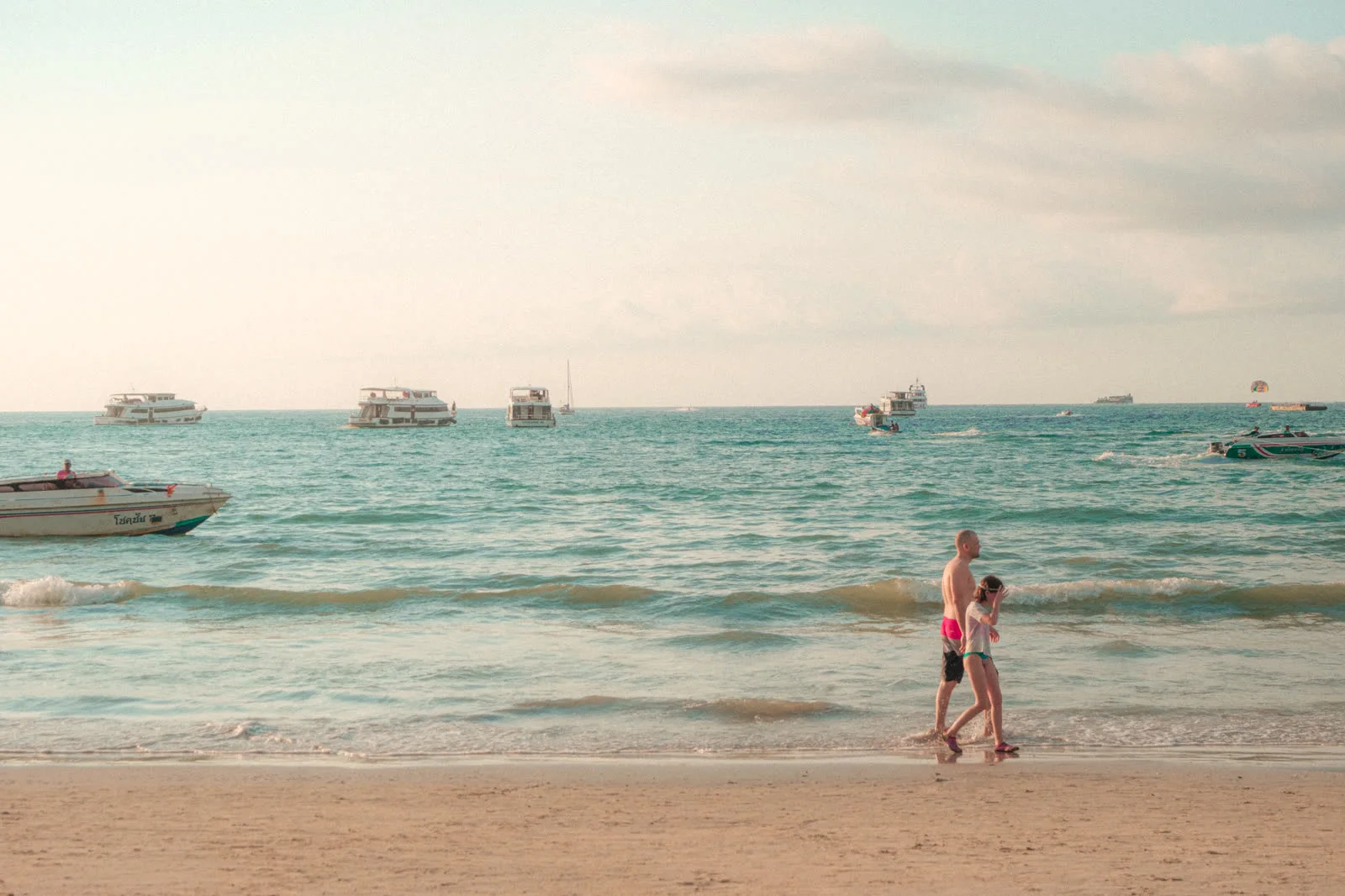
Phuket, an antithesis of Bangkok
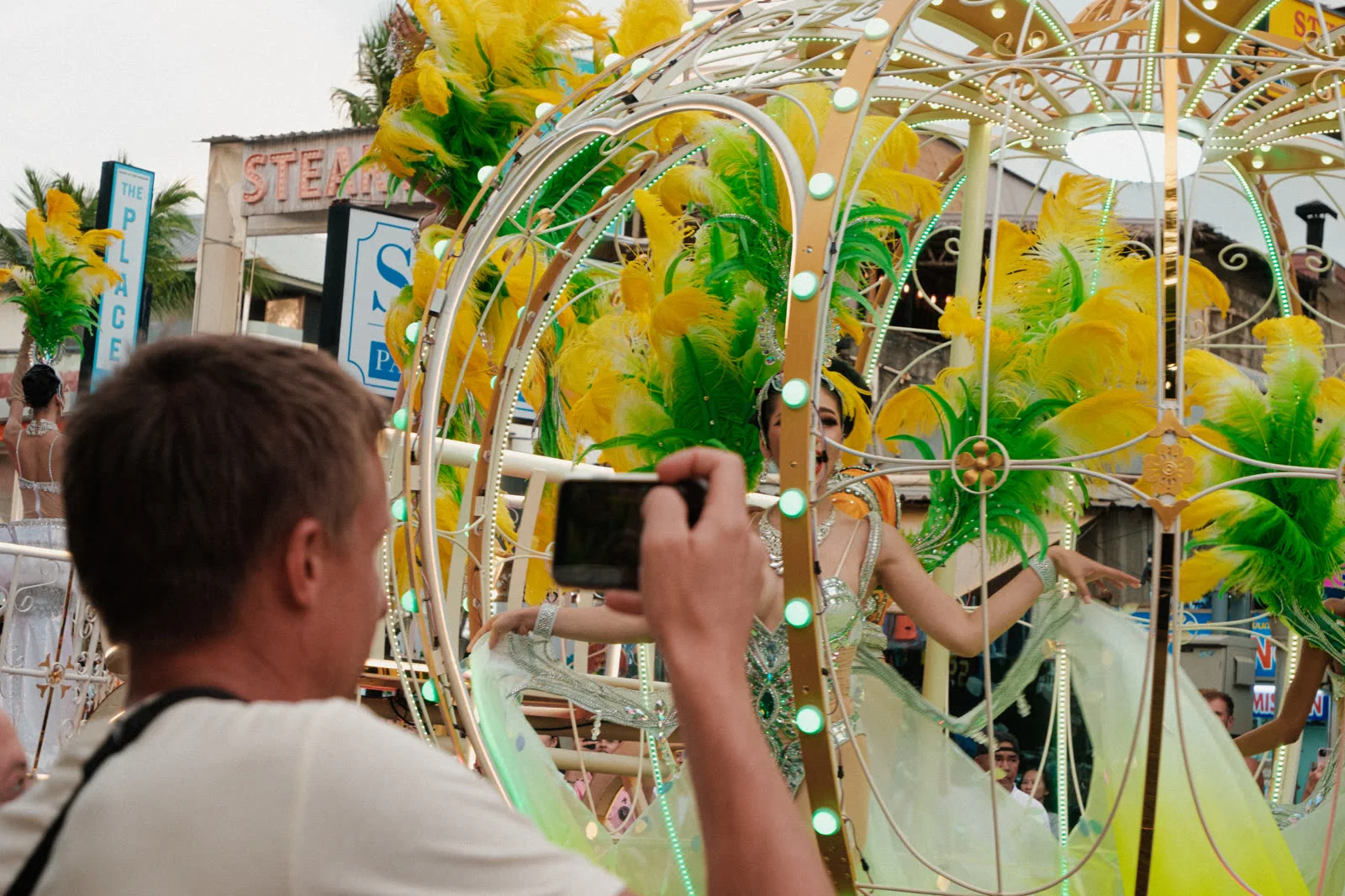
To set Bangkok in relief, I travelled south to Phuket. Where the city felt layered and grounded, the coast was open and transient.

Leaving a manual behind
Usually craftsmen hide their secrets. But here they painted the entire process on the alley walls. It felt like they were leaving a manual behind, just in case they are not around to teach the next generation.
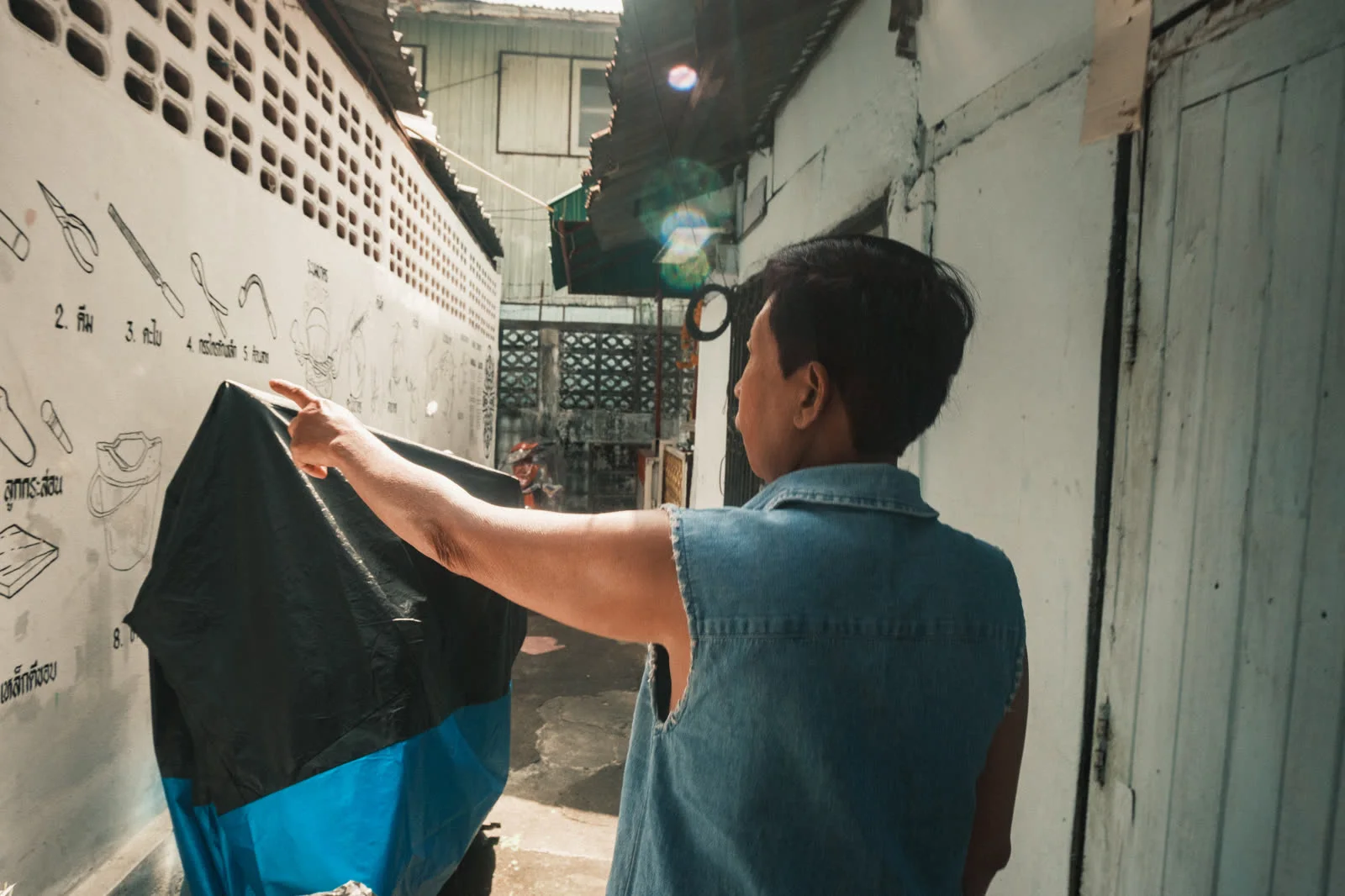
I came back with photos of bowls. But I also came back with a realization, that you do not need a common language to understand a shared human struggle. The imperfections in the bowls are what make them human, just as my vulnerability as a stranger allowed me to see them clearly.
I travelled to Bangkok to photograph a craft, but I left with a question. Why do we chase perfection when it makes everything the same? Ban Baat taught me that the intangible, the struggle, the history, and the mistake, is what gives an object its value.